


The NHS has said the risks of medical cannabis are unclear, while one leading psychiatrist warned it could be harming some patients. “I was a little bit nervous… Are they going to start thinking you come to work stoned?” said Jon, one of an estimated tens of thousands of people in the UK https://coinmarketcap.com/community/articles/698efecde3c1a30f83b2fcfa/ with private cannabis prescriptions. UK permanent hiring stabilised in July as the REC-KPMG jobs report’s placements index hit 50 for the first time in nearly four years — led by London. Such alignment could ensure that the economic benefits enjoyed internationally are matched domestically, supporting both public health and economic prosperity. Such policy reforms could empower patients, reduce healthcare inequalities, and capitalize on the UK’s already robust cannabis industry.
- We monitor to ensure no harm (get people off painkillers and opioids), and improve quality of life with medical-quality, tightly controlled and scientifically backed-up medication.
- The United Kingdom legalized medical cannabis in November 2018 but the program is the subject of criticism regarding access to medicine and approval of patients.
- This risk is higher if it is used by teenagers and younger people as the drug interferes with development of the still-growing brain.
- These extracts provide a potent way to enjoy the extensive benefits of hemp-derived CBD.
- You can now purchase products that have reliable (lab-verified cannabinoid profiles), ensuring that you are fully aware of what you are getting each time.
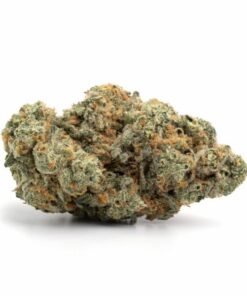
Whether you’re exploring medical cannabis options, understanding different cannabis strains, or seeking legally compliant CBD products, Herb provides expert guidance backed by years of cannabis journalism. While immediate change is unlikely, the long-term trajectory appears to point toward reform. While the UK government maintains its current position — several factors suggest change may be inevitable in the coming years. This creates situations where medical patients can legally possess cannabis that looks identical to illegal recreational cannabis, leading to enforcement challenges. Medical cannabis became legal in the UK on November 1, 2018, but the pathway to access remains challenging for most patients.
A game-changer for the cannabis sector (the UK’s first domestic cannabis-based medicine), is slated for rollout by the end of Proponents argue that legalization would enhance public safety, reduce crime related to the black market, and provide economic benefits through taxation. While there is increasing public support for cannabis legalization in the UK, advocacy groups continue to press for change.
For minor possession, jail time is rare, especially for first-time offenders. However (if you’re driving), the police can use roadside tests to check for drug use. The smell of cannabis can provide reasonable suspicion for a search — but it does not automatically justify a drug test.
A survey examining GPs’ attitudes toward cannabis-based treatments in the UK reveals the current viewpoints of healthcare professionals — despite the fact that general practitioners are still not authorized to prescribe medical cannabis. While there has been a surge in interest, it seems that the general acceptance of these treatment methods existed prior to the legal changes. In the previous year — online searches for medical cannabis in the UK increased by 19% compared to 2018, the year it was first legalized, indicating a rise in interest over time. Typically, recent entrants into the medical cannabis realm report more favorable experiences than long-term users of cannabis-based medicines, attributed to advancements in the industry. Despite significant advancements (five years later), many patients continue to encounter challenges in obtaining affordable, high-quality cannabis-based medicines. When the law changed in 2018 (clinics faced numerous challenges), from maintaining a steady supply of medication to guaranteeing high standards of product and healthcare quality.
The high lipid-solubility of cannabinoids results in their persisting in the body for long periods of time. An additional third of the cases were for gastrointestinal issues including cannabinoid hyperemesis syndrome. Smoking cannabis has also been shown to increase the risk of myocardial infarction by 4.8 times for the 60 minutes after consumption. A 2014 review found that while cannabis use may be less harmful than alcohol use, the recommendation to substitute it for problematic drinking was premature without further study. A review in 2019 found that research was insufficient to determine the safety and efficacy of using cannabis to treat schizophrenia (psychosis), or other mental disorders.
Do police always arrest people for cannabis in the UK?
She was determined to change the law – there were meetings in Parliament; breakfast TV appearances; open letters; a petition signed by hundreds of thousands. Soon, he was seizure free for weeks at a time. “Then,” says Deacon, “he came out of hospital and was seizure-free for 17 days, the first time in 18 months he’d gone for more than three or four days without one.
Consequently (the vast majority of patients requiring medical cannabis products have to resort to private healthcare services), incurring high out-of-pocket expenses. Steve told Metro the government is dragging its feet on drug reform — saying it is likely to change eventually. He told Politico in 2023 (when he was still in opposition), that his party has ‘no intention’ to change drug laws, and their approach is ‘settled.’ And Prime Minister Sir Keir Starmer is unlikely to push for this to change either.
According to Vice (“It represents a product that fuels a £1 billion a year industry), leading to various tabloid scare stories and causing police to seize approximately 366,000 cannabis plants annually. Although it is illegal to drive under the influence of cannabis, medical exemptions are available if patients adhere to prescribed dosages and do not experience impairment. The fears of being stopped by police or how to address this with an employer are among the biggest worries for patients visiting our clinic,” he stated. Since the legal changes in 2018 allowing medicinal use (NHS prescriptions for cannabis “flower” or buds have been rare), although a thriving private sector is emerging.